
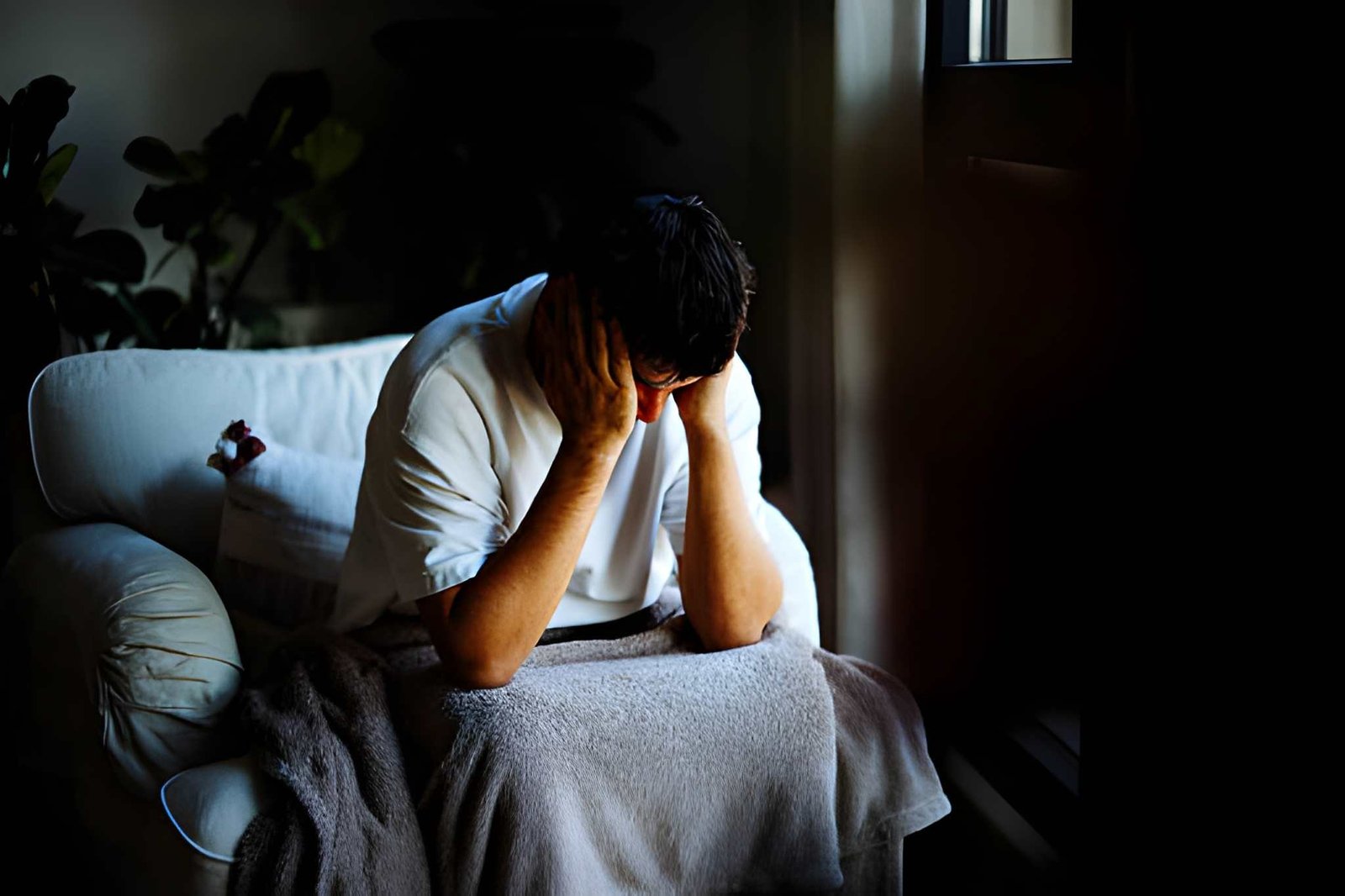
Everyone has bad days, days when life is simply hard and we can’t face it with our best attitude. Constant stress, anxiety about not knowing what the future holds, or even the development of depression can end up taking up a big chunk of our lives. To solve these problems, we first need to understand what causes them and how they differ. We don’t fully trust self-diagnosis, but we know that reading about the topic might guide you toward the help you need. That’s why our specialists in Lamesa, Texas, have worked together on this short guide to help you better understand anxiety and depression.
How Can You Live an Orderly Life When the Chaos Is Inside Your Head?
Ups and downs are a normal part of life. We won’t always be in our best mood, and that’s okay. The real problem starts when negative emotions stay with us for too long. This is generally what we call depression, a very common emotional disorder that affects the patient’s emotions and causes them to lose interest or excitement in their daily activities.
Unfortunately, depression is a condition that rarely appears alone and usually comes with other mental health conditions and disorders. Here, we want to take a closer look at how it relates to anxiety and how this ends up creating inner chaos for the patient.
Anxiety is another condition that is on the rise, according to statistics from recent years. It can be identified by feelings of tension and fear caused by potential threats. Feeling anxious is normal, but it can go to the extreme of overreacting to everyday things, and in that case, the help of a specialist is necessary.
💭 You might be interested in: Understand your mood swings: what, who, why, and when
How Can I Spot Symptoms of Depression and Anxiety at Home Before Seeing a Specialist in Lamesa, Texas?
Depression and anxiety are conditions whose effects vary from person to person when they interact; not everyone reacts the same way. For one patient, anxiety may come from feeling tense when talking to other people, and from becoming depressed because this obstacle holds them back from making friends or building their career. For another, it may be deep depression from spending all their time at home and intense anxiety about having to go out.
These interactions show us something annoying but true: a list of symptoms is only a reference. Once one condition overlaps with another, the nuances become harder to detect, and the help of a specialist becomes even more necessary.
| Aspect | Depression | Anxiety |
|---|---|---|
| Emotional state | Persistent sadness, a feeling of emptiness, or hopelessness. | Intense worry or nervousness that is difficult to control. |
| Thoughts | Guilt, a feeling of uselessness, or a negative view of the future. | Repetitive thoughts about what could go wrong. |
| Interests and activities | Loss of interest or pleasure in activities that were previously enjoyed. | Difficulty relaxing or enjoying the moment due to worry. |
| Energy | Tiredness, lack of energy, or a feeling of being "slower." | Restlessness, a feeling of being "on alert"; fatigue may also be present. |
| Physical symptoms | Changes in appetite or weight and physical discomfort without a clear cause. | Muscle tension, headaches, or stomach discomfort. |
| Sleep | Difficulty sleeping, waking up very early, or sleeping too much. | Difficulty falling or staying asleep, often accompanied by worry. |
| Concentration | Difficulty concentrating, remembering, or making decisions. | Difficulty concentrating when the mind is occupied with worries. |
This table helps to describe what a person feels, but it is not useful for determining a diagnosis on its own.
Behavioral Health as a Treatment for Anxiety and Depression
Behavioral health focuses on understanding how your daily actions and habits affect your body and mind. Everyday things like what you eat, whether you drink alcohol, how much you exercise, and even the way you think fall under this specialty. Its goal is to make sure your body and mind work well together.
Although behavioral health includes therapy, it is more comprehensive. It doesn’t just help with depression or anxiety, but also with your daily habits. It teaches you how your habits affect your health overall. Patients who have worked with us have reported:
- Greater Self-Awareness
- Better relationships with friends and family
- Improved stress and anxiety management
- Overcoming trauma
- Improved work performance
- Stronger physiological defenses
- Improved quality of life
🤲 Read more about our services: Behavioral health
FAQ
Is it possible to have anxiety and depression at the same time?
Yes. Both can occur together and share some symptoms.
How can I tell which one I have?
You don’t have to figure it out on your own. A mental health professional can evaluate your symptoms.
Do anxiety and depression affect sleep?
Yes. Sleep problems can occur in both conditions.
Can both be treated at the same time?
Yes. Treatment may include therapy, medication, or both, depending on your needs.
South Plains Rural Health: Your Ally for a Peaceful Mind
Deciding to take care of your health is a big step toward self-love. With the right help, you can overcome any problem, leave the past behind, and live with peace of mind.
If you or someone in your family needs the support of our behavioral health services, remember that South Plains Rural Health Services is here to help. We look forward to seeing you at our clinics in Levelland, Lamesa, and Big Spring, Texas. Call us at (806) 894-7842 or visit our website to schedule your first appointment. We’re ready to support you on this journey!