
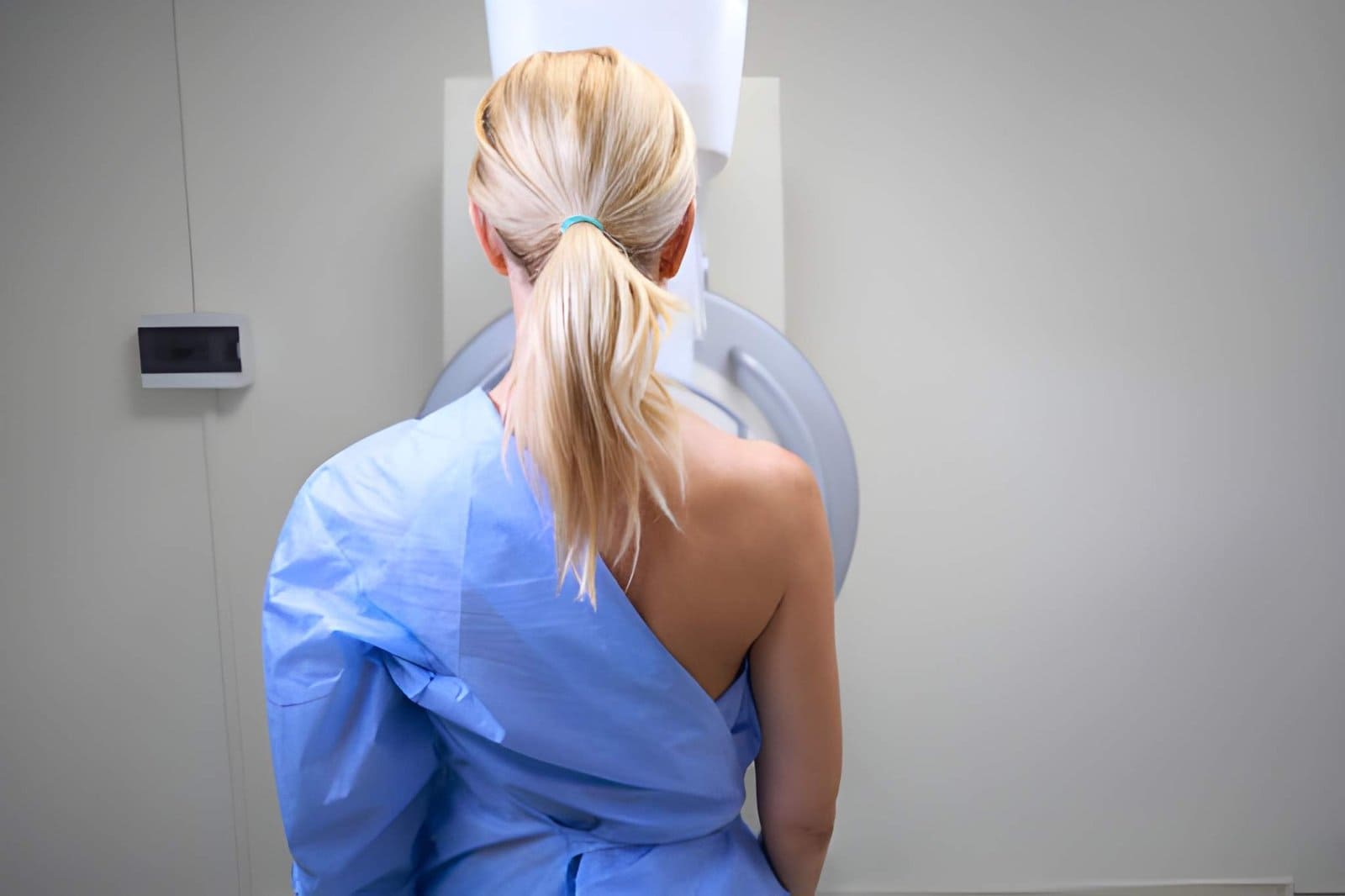
Getting regular mammography screenings can save your life because they help find breast cancer during its earliest and most treatable stages. For many women, thinking about this type of cancer can be scary, and with all the things being said about mammograms, you might decide to postpone, like many women do.
At South Plains Rural Health Services, we understand your concerns. That’s why we put together this article to clear up common myths about this screening test so you can understand it better and stop postponing it in Lamesa, Texas.
How Common is Breast Cancer in Texas?
Breast cancer is the most common cancer diagnosed among women, with 321,910 (15.2% of all new U.S. cancer cases) new cases in the U.S. just by 2026 and about 42,140 estimated deaths. This type of cancer is the second leading cause of cancer death among women in Texas.
6 Myths and Facts About Mammography Screenings
Even though these numbers can feel scary, there is good news when it comes to survival rates, which can be high (almost 100%) for women with stage 1 mammary cancer. To detect this disease in such early stages, mammography screening is essential. However, many women put off their appointment due to fear or worries about what’s being said about this exam.
- If I Don’t Have Family History of Breast Cancer, I Don’t Need a Mammogram
- A Mammography Screening Will Expose Me to Dangerous Levels of Radiation
- I Already Had a Mammogram, so I Don’t Need Another One
- Mammography Screenings Are Too Painful to Bear
- I’m Too Young to Be Worrying About Mammography Tests in Lamesa, Texas
- Breast Self-Exams Can Be as Good as a Mammography Screening
Myth 1: If I Don’t Have Family History of Breast Cancer, I Don’t Need a Mammogram
Fact: While women who have a family history of breast cancer are at a higher risk of developing it, the truth is that this disease doesn’t discriminate. Mammary cancer can develop in any woman,of any age and ethnicity, even in those who have no known family history of it. In fact, most women diagnosed with the disease have no known or significant family history of it, and only about 5 to 10% of breast cancers are hereditary.
Myth 2: A Mammography Screening Will Expose Me to Dangerous Levels of Radiation
Fact: The radiation dose used during the test to create the images your care team needs is very low. As humans, we are exposed to low-level background radiation every day. A dose from this exam is equivalent to about two months of ambient radioactivity for the average woman, so the risk is very small. Also, because of the small amount of controlled X-ray radiation, a mammogram is very unlikely to cause cancer.
🚨 You might be interested in Mammogram: The Best Way to Detect Breast Cancer in Women
Myth 3: I Already Had a Mammogram, so I Don’t Need Another One
Fact: Mammograms are about early detection, not prevention. Having normal results last year does not guarantee that the following years will be the same. Mammary cancer can grow quickly and develop within a single year, making diagnostic and early detection tools like these essential to protect your health. That’s why, even if you feel well, don’t consider it necessary, or had a mammogram in the past, we encourage you not to skip this exam.
Myth 4: Mammography Screenings Are Too Painful to Bear
Fact: Many women worry about feeling pain during the examination and that’s completely understandable, especially if it is your first screening. Mammograms can be uncomfortable and often feel like strong pressure rather than severe pain, but the discomfort only lasts a few moments. The sensation during the exam can vary from woman to woman, with some describing it as not painful at all and others as simply uncomfortable.
Myth 5: I’m Too Young to Be Worrying About Mammography Tests in Lamesa, Texas
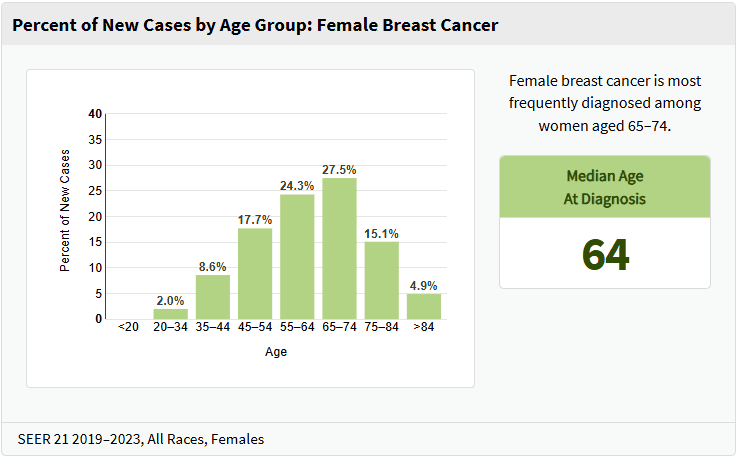
Fact: While breast cancer risk increases with age and is typically more common in middle-aged and older women, women age 40 and older can still develop this disease. In fact, the recommended age to start screening for this type of cancer is 40 for average-risk women.
Myth 6: Breast Self-Exams Can Be as Good as a Mammography Screening
Fact: Breast self-exams are about checking your chest for changes through sight or touch. You can do them while standing in front of a mirror with straight shoulders or raised arms, and while sitting or lying down. Here’s what to look for:
- Redness, soreness, rashes, or swelling.
- Signs like dimpling, puckering, bulging, or lumping.
- Breasts that look unusual or uneven in size, shape, or color.
- Nipples that have changed in color or position, are inverted, or are discharging fluid.
This method can help you become familiar with how your breasts normally look and feel and notice changes. However, it doesn’t provide the same early detection advantage that mammography screenings typically do.
👉 Learn more about our OB/GYN services in Lamesa, Texas
FAQ
Can I keep my pants on during a mammography test?
Yes, you can keep your pants, skirt, or shorts on during a mammography test. Just make sure to wear a two-piece outfit so you can remove the top and bra without problems, and shy away from one-pieces like dresses or jumpsuits so you don’t have to undress completely.
What should I not do before a mammogram?
You should not apply deodorant, antiperspirant, lotions, powders, or perfume to your underarms or chest before a mammogram. Also, avoid wearing jewelry like necklaces or nipple piercings.
Why does mammography squish the breasts?
During a mammography test, compressing or “squishing” the breasts between two plates is required to spread and even out the tissue, hold the breasts still, and reduce the radiation dose needed to provide optimal images.
Take the First Step to Detect Breast Cancer in Lamesa, Texas
As a woman, hearing so many different things being said about mammography tests can cause fear and anxiety. This way, taking the first step to detect breast cancer can feel more like a leap of faith, but it doesn’t have to be that way. At South Plains Rural Health Services, our team is happy to answer your questions and soothe your worries. Call us or visit us in Lamesa, Texas to schedule your mammogram and stay on top of your health.